Zircon
Zircon is a natural gemstone admired for its exceptional brilliance, fire, and wide range of colours. Available in yellow, green, blue, white, brown, and reddish tones, zircon offers a distinctive appearance for jewellery and gemstone collections. Its strong sparkle and natural beauty make it an attractive choice for rings, pendants, earrings, and custom jewellery.
Updated 2026-08-06
Discover Natural Zircon Gemstones
Zircon is a beautiful natural gemstone known for its impressive brilliance, colourful flashes, and rich variety of shades. It is one of the oldest naturally occurring minerals and has been appreciated for centuries in jewellery and gemstone collections.
Natural zircon should not be confused with cubic zirconia. Zircon is a genuine mineral formed in nature, while cubic zirconia is a laboratory-created diamond simulant.
Zircon gemstones are available in several attractive colours, including:
Yellow zircon
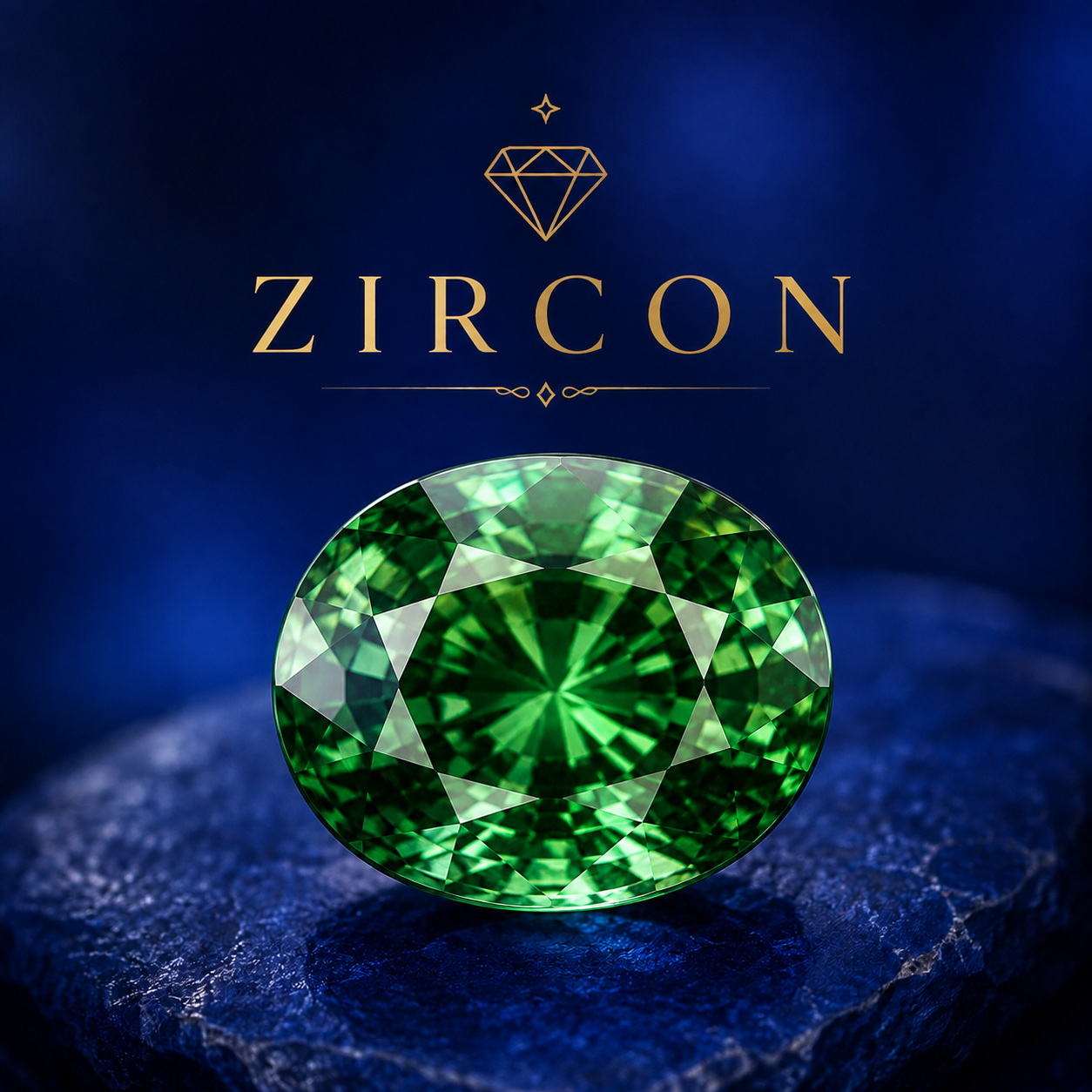
Green zircon
Blue zircon
White zircon
Brown zircon
Orange zircon
Red zircon
Colourless zircon
Yellow and green zircons are especially appealing for buyers looking for warm, distinctive, and less common gemstone colours.
Why Choose Zircon?
Zircon is valued for its high brilliance and strong dispersion, which creates colourful flashes of light within the stone. A professionally cut zircon can display excellent sparkle and visual depth.
Zircon is suitable for:
Gemstone rings
Earrings
Pendants
Necklaces
Bracelets
Custom jewellery
Personal gemstone collections
Its broad colour range makes zircon suitable for both traditional and modern jewellery designs.
Yellow Zircon
Yellow zircon displays shades ranging from light lemon yellow to deep golden yellow. Its warm colour and bright reflections make it an elegant choice for rings, pendants, and statement jewellery.
Golden-yellow zircon pairs beautifully with yellow gold, while lighter yellow stones can also complement white gold, platinum, or silver settings.
Green Zircon
Green zircon is admired for its natural, earthy appearance. Its colour can range from pale green to deeper forest-green tones, depending on the individual gemstone.
Green zircon is less commonly seen than blue or colourless zircon, making it an interesting option for collectors and buyers seeking a distinctive natural gemstone.
Blue Zircon
Blue zircon is one of the most recognised zircon varieties. It may display shades ranging from light sky blue to bright tropical blue.
Many blue zircons are heat-treated to produce or improve their colour. Treatment information should be clearly disclosed in the individual gemstone description.
White Zircon
White or colourless zircon is appreciated for its clear appearance, brilliance, and colourful flashes. It has historically been used as a natural alternative to other colourless gemstones.
A well-cut white zircon can produce excellent sparkle, although it remains a separate natural gemstone with its own characteristics.
Zircon Colour, Clarity and Cut
Several factors influence the beauty and value of a zircon gemstone.
Colour
Colour is one of the most important characteristics. Attractive zircons usually display a visually pleasing tone with good saturation and even colour distribution.
Clarity
Natural zircon may contain internal inclusions or characteristics formed during its natural development. Eye-clean stones with good transparency are often preferred for fine jewellery.
Cut
A skilled cut helps zircon reflect light effectively and highlights its natural brilliance. Common zircon shapes include:
Oval
Cushion
Round
Pear
Emerald
Radiant
Trillion
Carat Weight
Zircon is available in a variety of sizes. Carat weight measures the gemstone’s weight, while its visible dimensions depend on the shape, depth, and cutting proportions.
Zircon Hardness and Durability
Zircon generally measures approximately 6.5 to 7.5 on the Mohs hardness scale. It can be used in jewellery, but it requires more careful handling than harder gemstones such as sapphire.
Zircon has natural brittleness and may experience edge or facet damage if struck against a hard surface. Protective jewellery settings are recommended, particularly for rings intended for regular wear.
Natural and Treated Zircon
Some zircon gemstones are heat-treated to improve or change their colour. Heat treatment is widely used for certain blue, colourless, and other coloured zircons.
Treatment does not mean the gemstone is artificial. A treated zircon remains a natural gemstone, but the treatment status should be disclosed accurately.
For higher-value stones, an independent gemological report may provide information about:
Gemstone identity
Carat weight
Measurements
Colour
Treatment
Possible geographic origin
Sri Lankan Zircon
Sri Lanka is known for producing a wide variety of natural gemstones, including zircon. Sri Lankan zircon may occur in yellow, green, brown, orange, reddish, blue, and colourless varieties.
The appearance of each natural zircon varies according to its colour, clarity, cut, size, and treatment status. This gives every gemstone an individual character.
How to Care for Zircon Jewellery
Proper care helps protect the brilliance and condition of zircon jewellery.
Clean zircon using lukewarm water, mild soap, and a soft brush. Rinse carefully and dry it with a soft, clean cloth.
Avoid:
Ultrasonic cleaners
Steam cleaning
Harsh chemicals
Sudden temperature changes
Hard impacts
Wearing zircon jewellery during physical work
Store zircon separately from other jewellery to reduce the risk of scratches or chipped facet edges.
Buy Natural Zircon Gemstones Online
Explore our collection of natural zircon gemstones in yellow, green, blue, white, and other attractive colours. Each product listing may include details such as colour, shape, carat weight, dimensions, treatment, origin, certification, and price.
Whether you are choosing a zircon for custom jewellery, gifting, or a personal gemstone collection, review the individual product information carefully before purchasing.
Discover the colourful brilliance and natural character of zircon gemstones.